In 2003, when Marcie and I were first in Cairo at St. Andrew’s and working with refugees arriving from Sudan or Ethiopia or Darfur, we had reasonable hope that it would be only a matter of time before they would be able to move on to safer lives in countries such as Canada, Australia, and the United States. That is no longer the case. There are some 2 million registered and an estimated 4-5 million unregistered refugees in Egypt–and the numbers are increasing. Last year, over 100,000 families sought the services of St. Andrew’s Refugee Services (STars). Most remain in Egypt; many for now over 30 years.
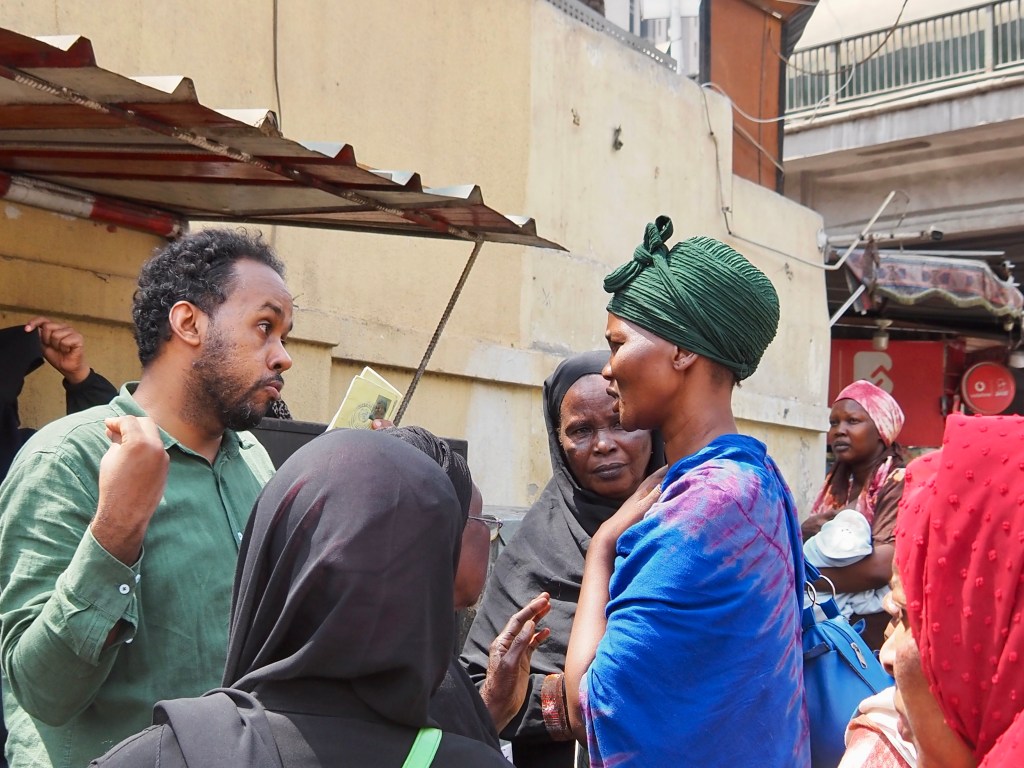
Five days a week, 150-200 new people fleeing unlivable situations arrive at the gates of St. Andrew’s. Some come with emergencies of one sort or another. Some have called a hotline and made assessment appointments and are in need of medical, legal, and housing assistance (last week one person was living with 24 others in an apartment with 3 bedrooms and 1 bathroom). Some come without appointments and have to wait; some understand and some don’t (see below).
Most are seeking refugee status from the United Nations High Commissioner for Refugees (UNHCR), who is mandated to aid and protect refugees, forcibly displaced and communities, and stateless people, and to assist in their voluntary repatriation, local integration or resettlement to a third country. Others are seeking residency papers from Egypt and that wait can be up to a year and a half.
However, whether it’s refugees status with the UNHCR and/or residency papers in Egypt, those fleeing untenable situations get no assistance and little protection from authorities. To add insult to the great injury, many so-called “refugees” hold jobs, pay for housing, make their own way without any outside assistance, and contribute as they can to their communities. They are urban exiles, far away from their homes.



 Mark Nelson's Blog